
Exterior insulation
Definition
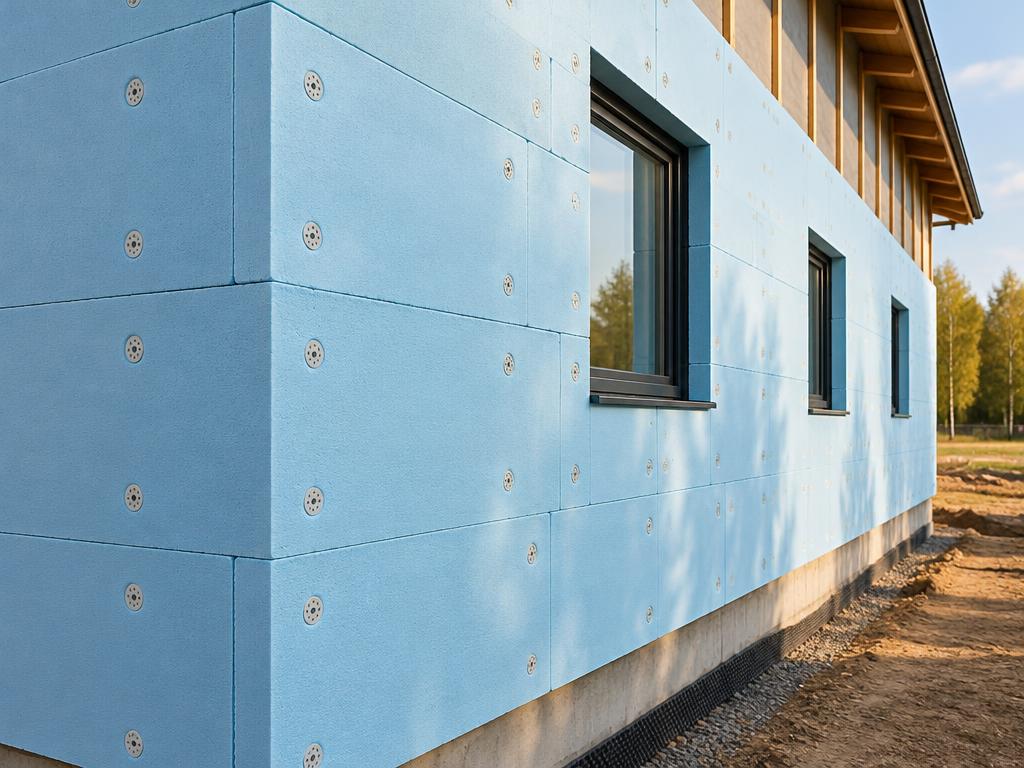
Exterior insulation is a non-structural layer of thermal material applied to the outer surface of a building's envelope to improve energy efficiency and thermal performance. By placing the insulation outside the structural walls, it creates a continuous thermal barrier that minimizes thermal bridging and protects the building's structure from extreme temperature fluctuations. This system is typically integrated with a weather-resistant barrier and finished with cladding or a decorative coating, such as an exterior insulation and finish system (EIFS), to provide both protection from the elements and a finished aesthetic appearance.
Structural & construction notes
Common types of exterior insulation include rigid foam boards like expanded polystyrene (EPS), extruded polystyrene (XPS), and polyisocyanurate (polyiso), as well as mineral wool boards and semi-rigid batts. Other options include insulated structural sheathing, spray foam, and specialized systems like cork coatings or insulated siding. Common materials for exterior insulation include rigid foam boards like expanded polystyrene (EPS), extruded polystyrene (XPS), and polyisocyanurate (PIR), as well as mineral wool, spray foam, and wood fiber. High-performance rigid foams and spray foams offer superior R-values and moisture resistance but come with higher initial material and professional installation costs. More affordable options like fiberglass or EPS provide a balance of thermal protection and budget-friendliness, though they may require more thickness or specialized care to maintain durability against moisture and fire.
Frequently Asked Questions
An educational reference. Project-specific design requires professional guidance.