
Siding
Definition
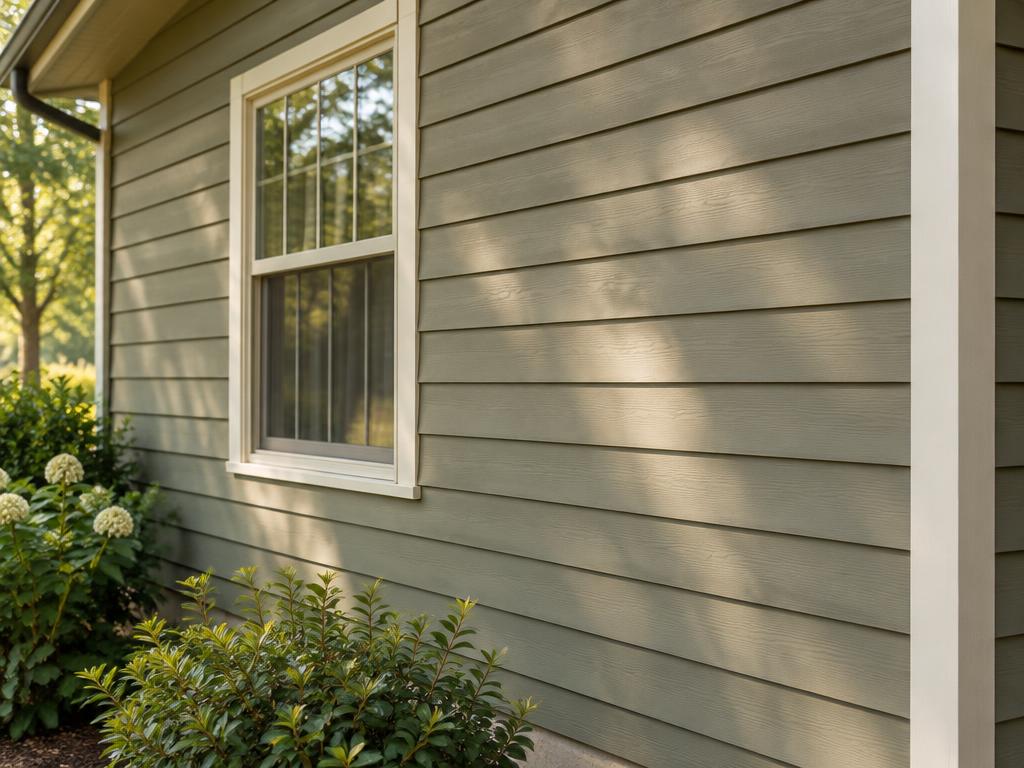
Siding is the protective exterior cladding or covering attached to the walls of a house or building, serving as the first line of defense against environmental elements like sun, rain, snow, and extreme temperatures. It functions both practically to prevent heat loss and moisture infiltration and aesthetically to define a structure's architectural character and curb appeal. Typically composed of smaller, weather-resistant units like shingles, boards, or panels to allow for thermal expansion, siding is available in various materials including wood, vinyl, metal, fiber cement, and masonry.
Structural & construction notes
Common siding types include vinyl, which is affordable and low-maintenance, and natural wood, which offers a classic aesthetic but requires regular staining or painting. Fiber cement and engineered wood are popular for their durability and ability to mimic wood without the same risk of rot or fire, while metal options like aluminum and steel provide a modern, long-lasting finish. Other varieties include stone and brick veneers for a high-end masonry look, as well as stucco and composite materials designed for specific climates and architectural styles. Common siding materials include vinyl and engineered wood, which are budget-friendly and low-maintenance, though vinyl can fade or crack over time. Mid-range options like fiber cement and stucco offer superior durability and fire resistance but have higher installation costs and may require periodic repainting. Natural stone, brick, and high-end metals provide the greatest longevity and curb appeal but represent the highest initial investment due to material costs and labor-intensive installation.
Frequently Asked Questions
An educational reference. Project-specific design requires professional guidance.