
Canopy
Definition
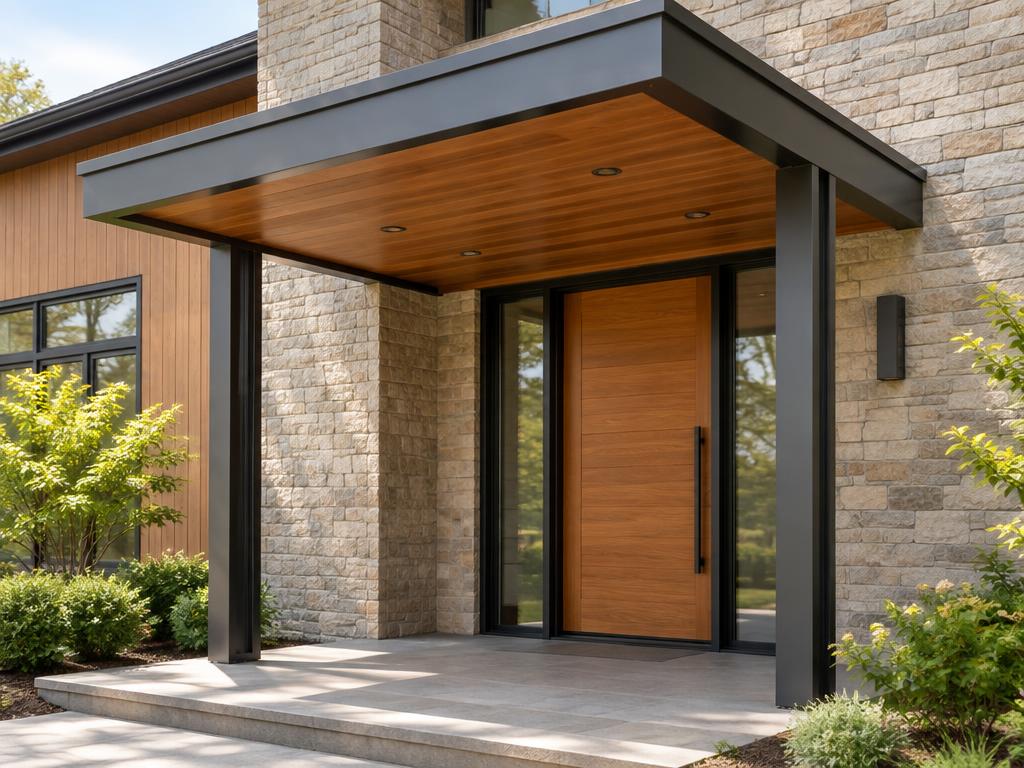
A canopy is an overhead structural element that provides shade and shelter from environmental elements such as rain, snow, and sun. Typically located at building entrances or over walkways, these projections can be attached to a primary structure through cantilevered or suspended systems, or they can stand independently on columns or posts. Beyond their functional role in weather protection and improving energy efficiency by managing solar gain, canopies serve as significant architectural statements that define arrival points, enhance curb appeal, and facilitate wayfinding. Constructed from a wide range of materials including metal, glass, fabric, and wood, modern canopies are often used to integrate branding, lighting, and signage into a building's overall aesthetic identity.
Structural & construction notes
Common types of canopies include host-attached systems such as suspended, cantilevered, and retractable designs, as well as freestanding structures like pavilions, pergolas, and walkway covers. They are further categorized by roof style into monopitch, duopitch, gullwing, and arched shapes, and by material into fabric, metal, glass, polycarbonate, and timber variations. Specialized types also include sunshades, louvered structures, and solar-integrated canopies. Common materials include aluminum, steel, wood, and various fabrics like polyester, vinyl, and acrylic. Aluminum and steel offer high durability and low maintenance but have higher upfront costs, with steel being the most robust. Wood is a more affordable structural option but requires regular sealing and has a shorter lifespan, while high-end fabrics like solution-dyed acrylics and vinyl provide superior weather resistance and longevity compared to budget-friendly, short-lived polyester.
Frequently Asked Questions
An educational reference. Project-specific design requires professional guidance.