
Lite
Definition
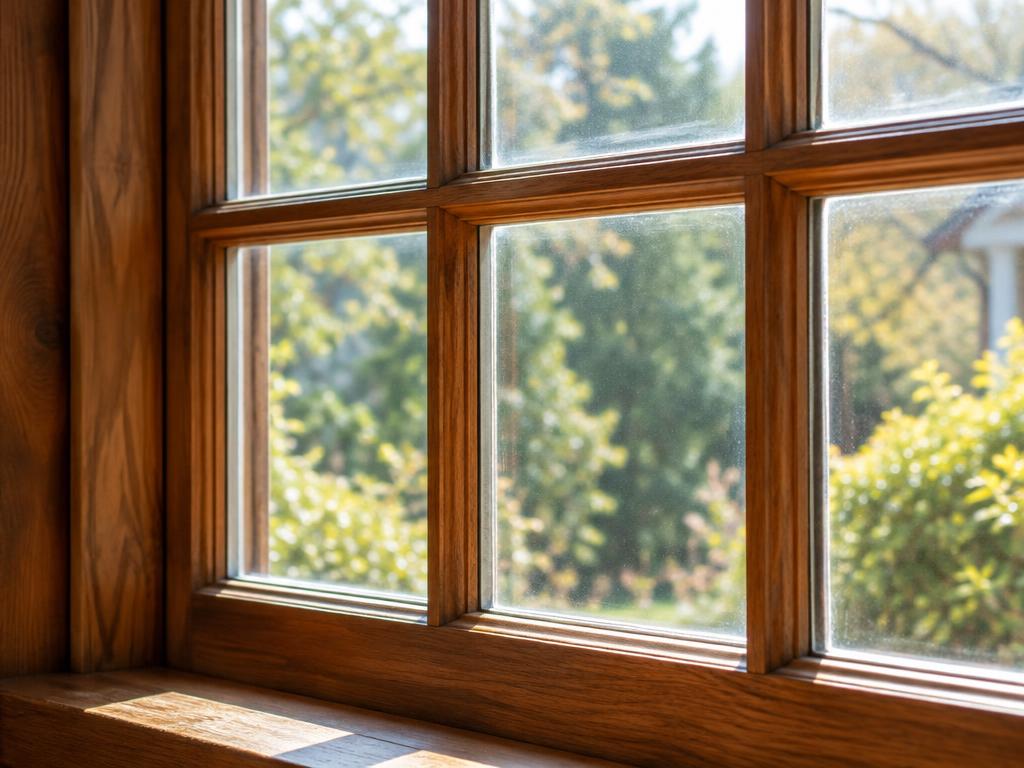
A lite, also known as a light, is the industry term for a piece of glass or a window within a door or a larger window assembly. In architectural design, lites are used to allow natural light to penetrate interior spaces, improve visibility between rooms—often referred to as a borrowed lite when looking from one room into another—and provide aesthetic rhythm to a building's fenestration. These panes can be individual units or part of a multi-pane system divided by muntins, and they play a significant role in the overall thermal performance and visual character of an opening.
Structural & construction notes
Common types of lite include divided lites, which use physical muntins to separate glass panes, and simulated divided lites that attach grids to a single large pane for a traditional look. Other variations include true divided lites for historical accuracy, between-the-glass grilles for easy maintenance, and removable interior wood grilles. Common materials for lites include glass (tempered or laminated), acrylic (Plexiglas), and polycarbonate. Glass offers superior scratch resistance and clarity but comes at a higher cost and weight, whereas plastics like acrylic and polycarbonate provide better impact resistance and lower material costs but may degrade or scratch more easily over time.
Frequently Asked Questions
An educational reference. Project-specific design requires professional guidance.