
Control joint
Definition
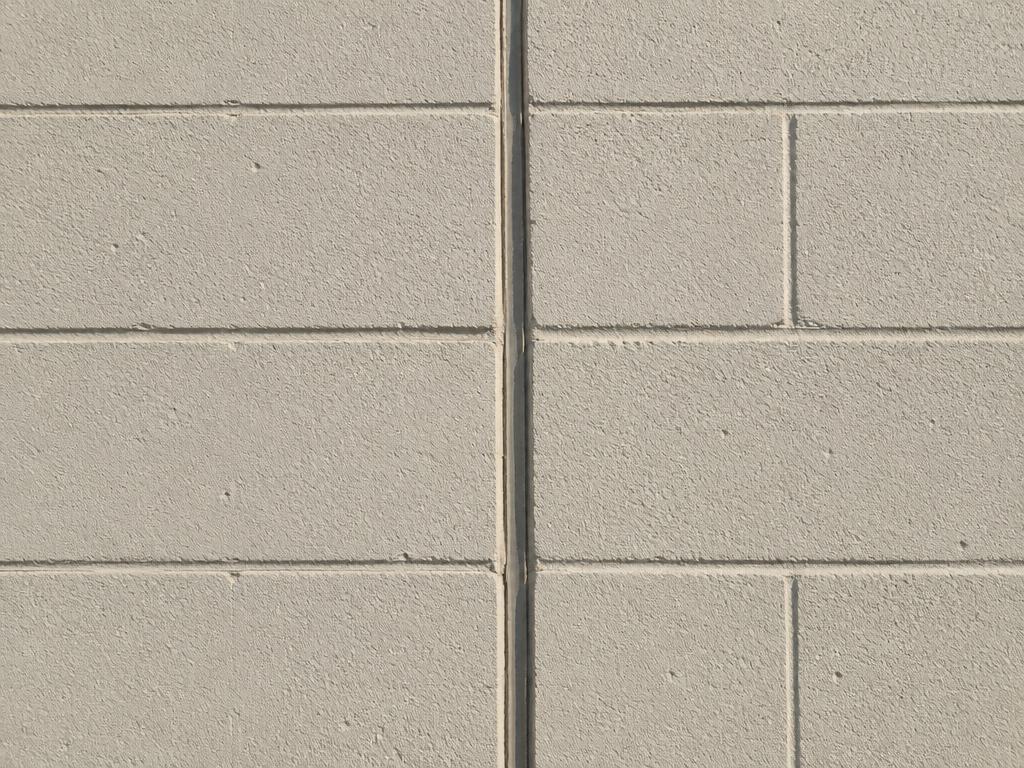
A control joint is a continuous groove or planned break integrated into an exterior wall or cladding system to manage the effects of material expansion and contraction. By providing a predetermined path for movement caused by temperature fluctuations or moisture changes, these joints encourage cracking to occur in a neat, controlled line rather than randomly across the facade. This intentional structural detail helps maintain the aesthetic and functional integrity of the building envelope, preventing unsightly damage and potential water infiltration.
Structural & construction notes
Common types of control joints include saw-cut joints created after concrete has hardened, tooled or grooved joints made while the material is wet, and plastic crack inducers. In masonry, they often consist of vertical weakened head joints. Specific variations also include decorative joints for patterned surfaces and contraction joints used in pavements to manage shrinkage. Common materials for control joints include extruded rubber, semi-rigid epoxies, polyureas, and plastic strips. Higher-quality materials like rubber or specialized injections offer long-term durability with lower maintenance costs, whereas cheaper options like standard caulking or acrylic latex have lower upfront prices but require frequent reapplication, leading to significantly higher 20-year lifecycle costs. Professional installation of high-grade sealants can also reduce long-term structural repair expenses by up to 75% through effective prevention of water infiltration and concrete spalling.
Frequently Asked Questions
An educational reference. Project-specific design requires professional guidance.