
Pier
Definition
A pier is a solid, upright structural element used to support vertical loads from arches, vaults, or bridge spans. Unlike a column, it is typically more massive and square or rectangular in cross-section, though it can also be thickened sections of a wall designed to provide additional strength at points of concentrated stress. Piers are essential in traditional masonry construction, where they function as heavy-duty vertical supports that transfer the weight of the structure to the ground.
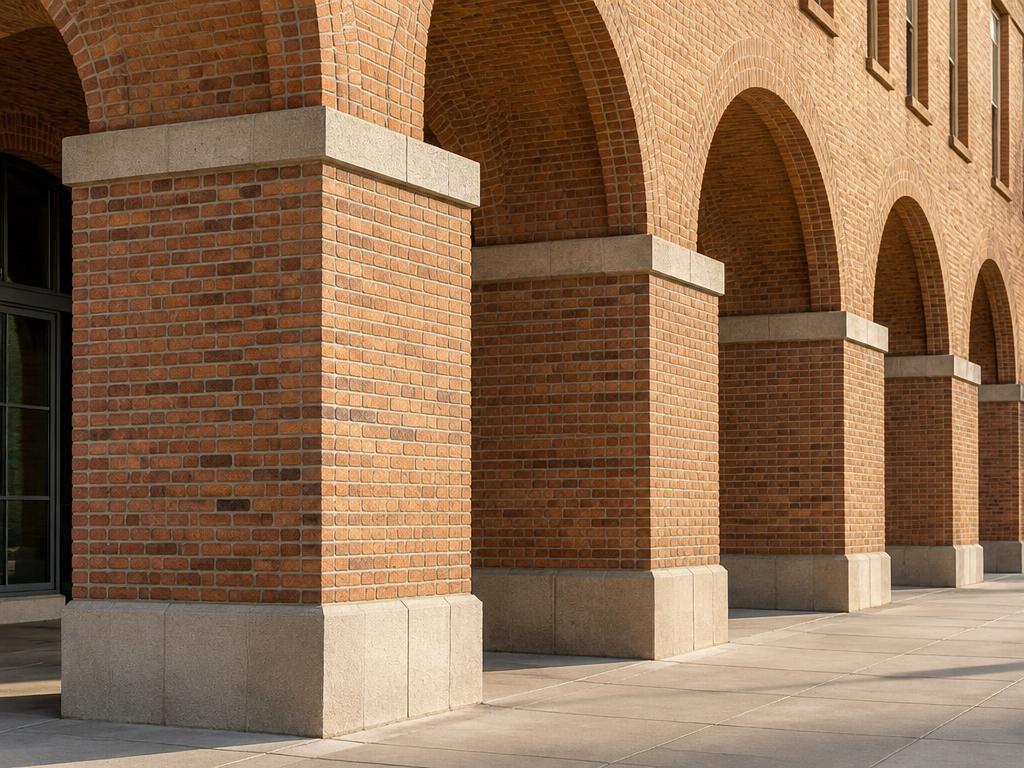
Structural & construction notes
Common types of piers include architectural and bridge piers like solid wall, hammerhead, drum, cruciform, and compound piers, as well as foundation piers such as concrete, steel push, helical, timber, and masonry piers. They can also be classified by their sectional shape as round, square, or rectangular, and by their structural function as column, wall, T-shape, or pin piers. Common materials for piers include concrete, masonry (brick or stone), and steel, with timber also used in smaller or traditional structures. High-durability materials like concrete and stone have higher initial costs but offer superior load-bearing capacity and low maintenance, while timber is more affordable but requires regular treatment and maintenance to prevent rot.
Frequently Asked Questions
An educational reference. Project-specific design requires professional guidance.