
Wall paneling
Definition
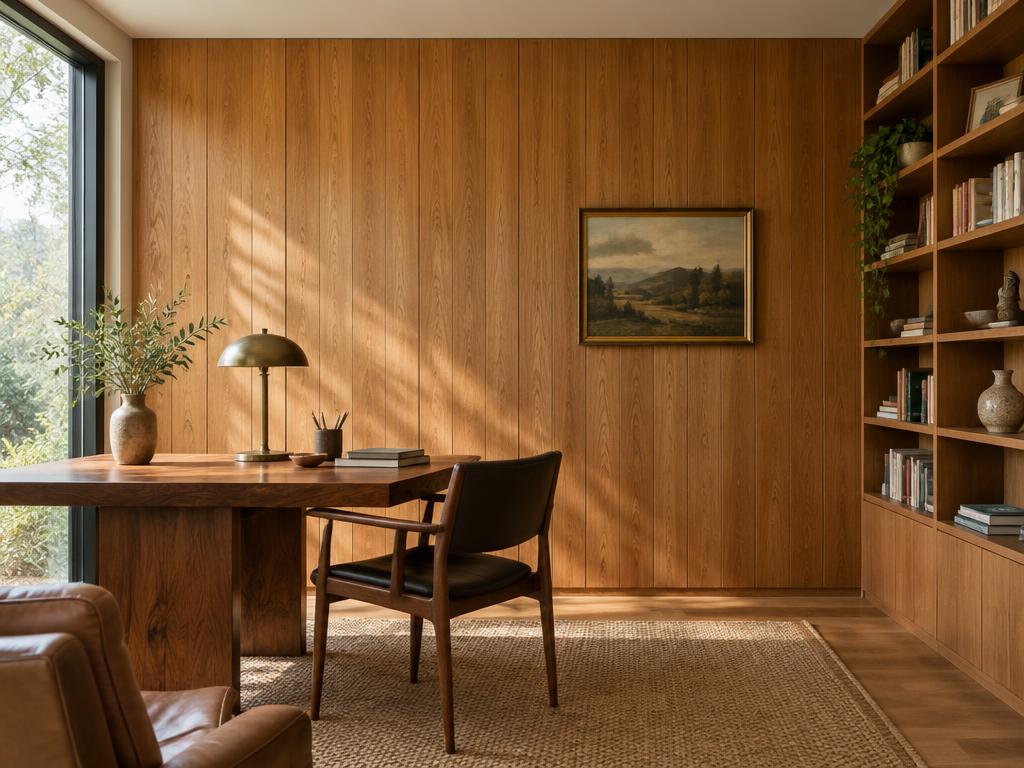
Wall paneling is a decorative and functional interior wall treatment consisting of rigid or semi-rigid panels, traditionally made of wood but also available in materials like MDF, plastic, and metal. Originally developed in antiquity to insulate stone buildings and protect walls from dampness, it has evolved into a versatile design element used to add texture, depth, and architectural character to a space. Common styles include wainscoting, beadboard, shiplap, and raised or flat panels, which can be used to hide wall imperfections, improve acoustic performance, and provide increased durability in high-traffic areas.
Structural & construction notes
Common types of wall paneling include shaker style (board and batten), wainscoting, shiplap, tongue and groove, beadboard, raised panels, and modern slatted or 3D panels. Other varieties include flat panels, fabric-covered or upholstered sections, glass and mirror panels, and specialized acoustic or modular systems. Common materials for wall paneling include wood (solid hardwood or veneer), MDF, PVC, metal (aluminum or steel), and composites like WPC. High-end materials like solid hardwood and metal offer the greatest durability but have the highest initial costs, while affordable options like MDF and PVC reduce upfront investment but may be susceptible to moisture or have limited style choices. Luxury wood and metal can last over 40 years, whereas budget-friendly laminate or fiberboard may require more frequent maintenance or replacement in demanding environments.
Frequently Asked Questions
An educational reference. Project-specific design requires professional guidance.