
Guardrail
Definition
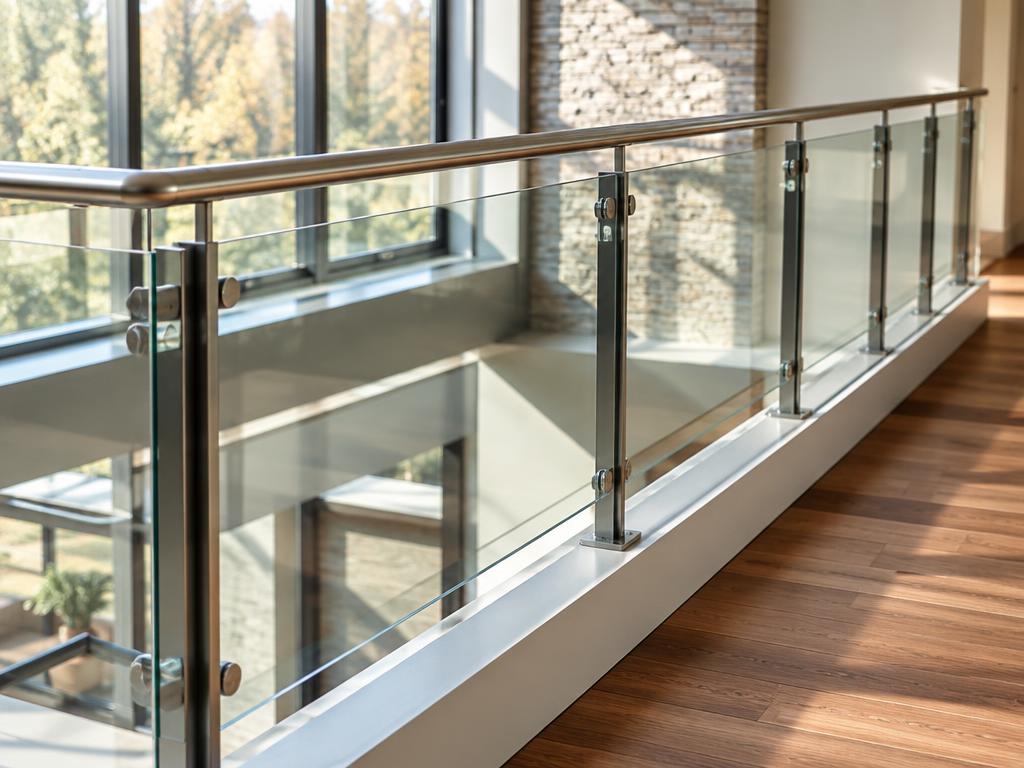
A guardrail is a critical safety and structural element designed to prevent accidental falls from elevated walking surfaces, such as stairs, landings, balconies, and decks. Typically required by building codes when a surface drop exceeds 30 inches, it serves as a protective barrier composed of a top rail, intermediate members like balusters or panels, and vertical posts. Unlike handrails, which provide guidance and support for balance, guardrails are life-saving devices engineered to withstand significant force and restrict passage through open edges, often featuring specific height and opening limitations to ensure the safety of building occupants.
Structural & construction notes
Common types of guardrails include flexible systems like W-beam and cable barriers, semi-rigid systems such as thrie-beam and box-beam rails, and rigid systems like concrete Jersey barriers. Other specialized varieties include aesthetic steel-backed timber rails, pedestrian-specific fencing, and industrial safety guardrails made of steel or polymer for warehouse and facility protection. Common materials for guardrails include steel, concrete, aluminum, polymer (plastic), and wood. Steel is cost-effective and durable but requires maintenance like galvanizing or painting to prevent rust. Concrete offers the highest durability and strength for high-impact areas but has the highest initial material and installation costs. Polymers and fiberglass provide excellent corrosion resistance and lower long-term maintenance costs, though they often have a higher upfront price. Wood is typically the least expensive initially but suffers from higher maintenance and disposal costs due to its shorter lifespan and susceptibility to environmental degradation.
Frequently Asked Questions
An educational reference. Project-specific design requires professional guidance.