
Tread
Definition
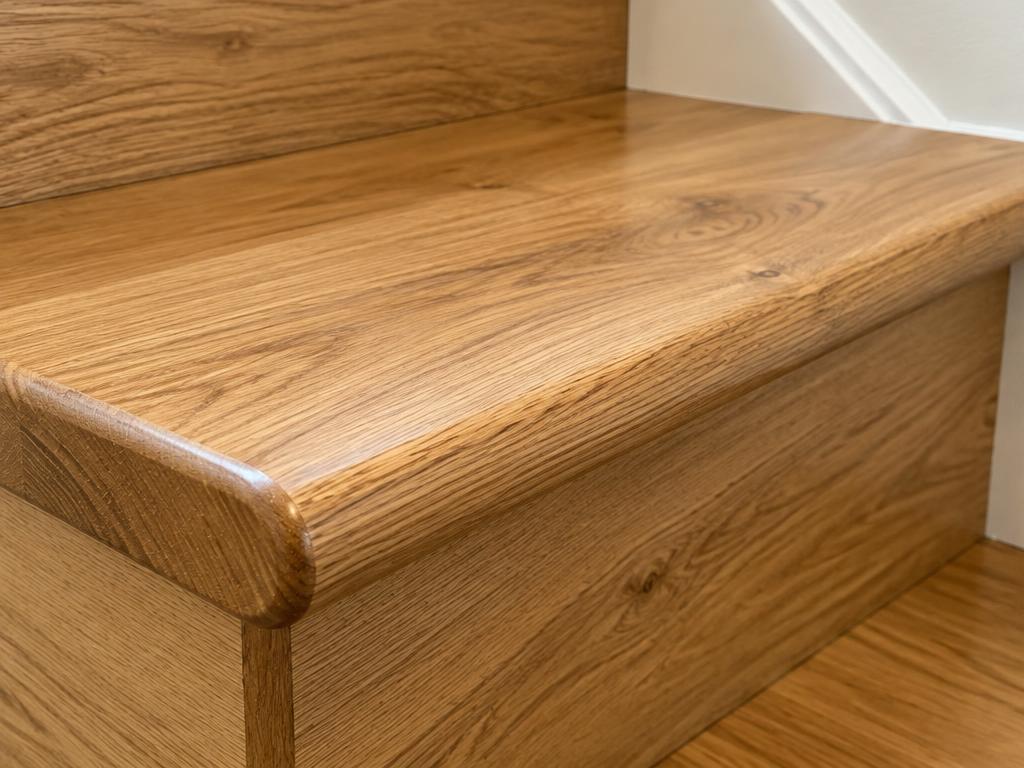
A tread is the horizontal portion of a step in a staircase that serves as the primary walking surface for ascending or descending between levels. Typically constructed from durable materials such as wood, metal, stone, or concrete, the tread provides a flat, stable plane designed to support the weight of users while ensuring safety and comfort. Key dimensions of a tread include its depth, which determines foot placement, and the nosing, which is the front edge that often overhangs the riser to improve visibility and provide additional foot space. In architectural design, treads are critical for maintaining consistent proportions within a flight of stairs and may incorporate non-slip textures or decorative finishes to enhance both functionality and the overall aesthetic of the vertical circulation system.
Structural & construction notes
Common types of stair treads include those categorized by material such as wood, metal, concrete, stone, glass, tile, composite, vinyl, and rubber. They are also classified by style and construction, including closed, left or right hand open, double return, starter steps, standard bullnose, mitered return, and retrofit treads. Additional variations are defined by their profile or nosing shape, such as square, round, half-round, and pencil round. Common materials for stair treads include wood (oak, maple), metal (steel, aluminum), stone (granite, marble), concrete, rubber, and glass. High-durability materials like stone, metal, and concrete have higher upfront costs but offer exceptional longevity and lower long-term maintenance. In contrast, more affordable options like wood or vinyl require more frequent sealing or replacement, while specialty materials like glass or stainless steel are premium choices primarily used for specific aesthetic or corrosive environments.
Frequently Asked Questions
An educational reference. Project-specific design requires professional guidance.