
Riser
Definition
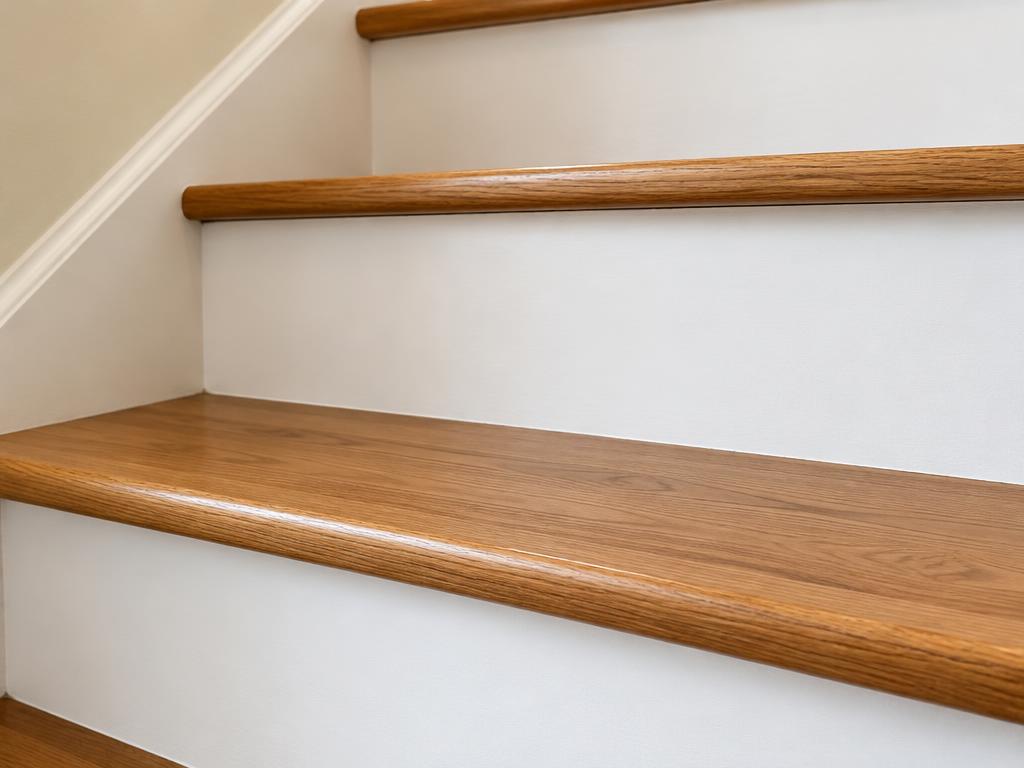
A riser is a vertical architectural element that represents the upright face between two successive treads in a staircase. It serves a critical structural role by connecting the treads and stringers to stiffen the overall assembly, while also acting as a safety barrier that prevents feet from slipping between steps. In addition to stairs, the term refers to any vertical run of building services, such as plumbing pipes, electrical wiring, or HVAC ductwork, that travels through the floors of a structure to distribute utilities.
Structural & construction notes
Common types of risers include solid or closed risers which provide a traditional look and structural support, and open risers which are omitted to create a modern, airy floating effect. Specialized variations also include false end risers used for decorative upgrades, reversible risers for versatility, and angled risers occasionally found in spiral or custom architectural designs. Common materials include wood (pine, oak, maple), MDF, plywood, and composites. High-quality hardwoods like oak offer the best durability and aesthetic but carry higher upfront costs, while materials like MDF and pine are more affordable but may require more maintenance or painting to ensure longevity.
Frequently Asked Questions
An educational reference. Project-specific design requires professional guidance.