
Stop
Definition
A stop is a small, thin strip of wood or metal molding fixed to the inner surface of a door or window frame against which the door or sash closes. It serves a functional purpose by providing a physical barrier that prevents the door or window from swinging too far through the frame and helps to create a tighter seal against drafts and noise when closed. In addition to its structural role, the stop can be a decorative element, often finished or painted to match the rest of the casing and trim.
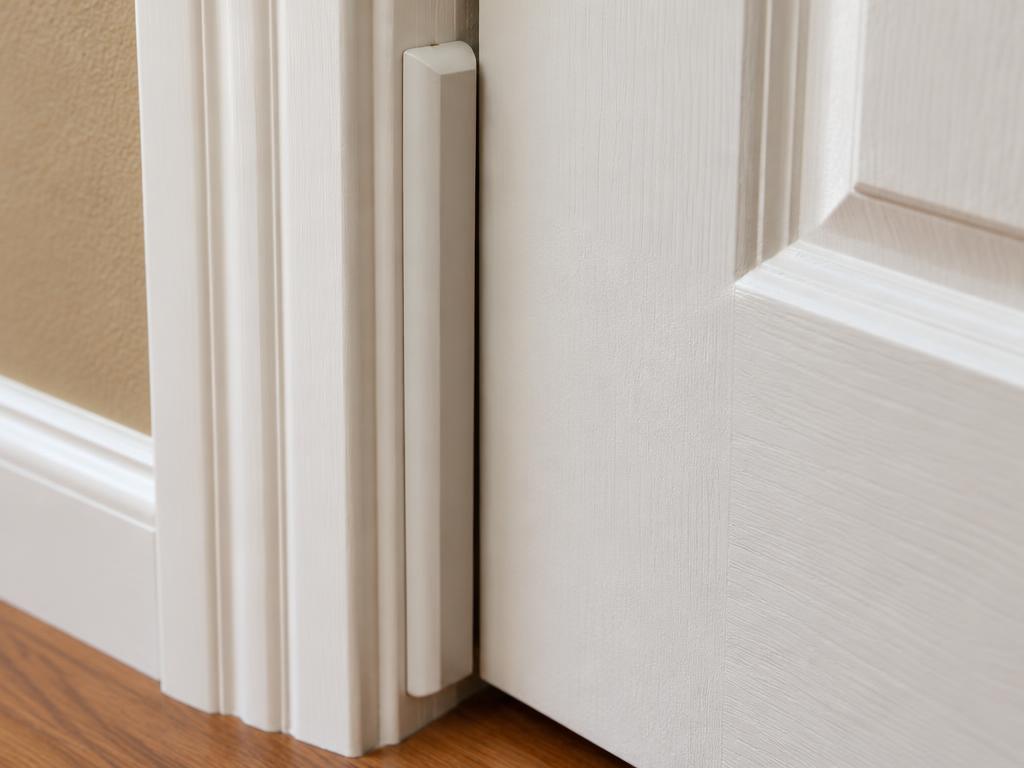
Structural & construction notes
Common types of stops include floor-mounted, wall-mounted, baseboard, and hinge pin door stops, as well as magnetic, spring, and solid varieties. In millwork, stops are categorized as door, window, or glass stop moldings, often available in profiles like T-shaped, jamb, or thermo stop designs. Common materials for window and door stops include wood, metal (such as aluminum or steel), and vinyl. Metal and high-quality hardwoods offer the greatest durability and resistance to wear but come with higher upfront costs, while vinyl and softwoods are more affordable initially but may require more frequent maintenance or replacement due to their susceptibility to impact and environmental damage.
Frequently Asked Questions
An educational reference. Project-specific design requires professional guidance.