
Casing
Definition
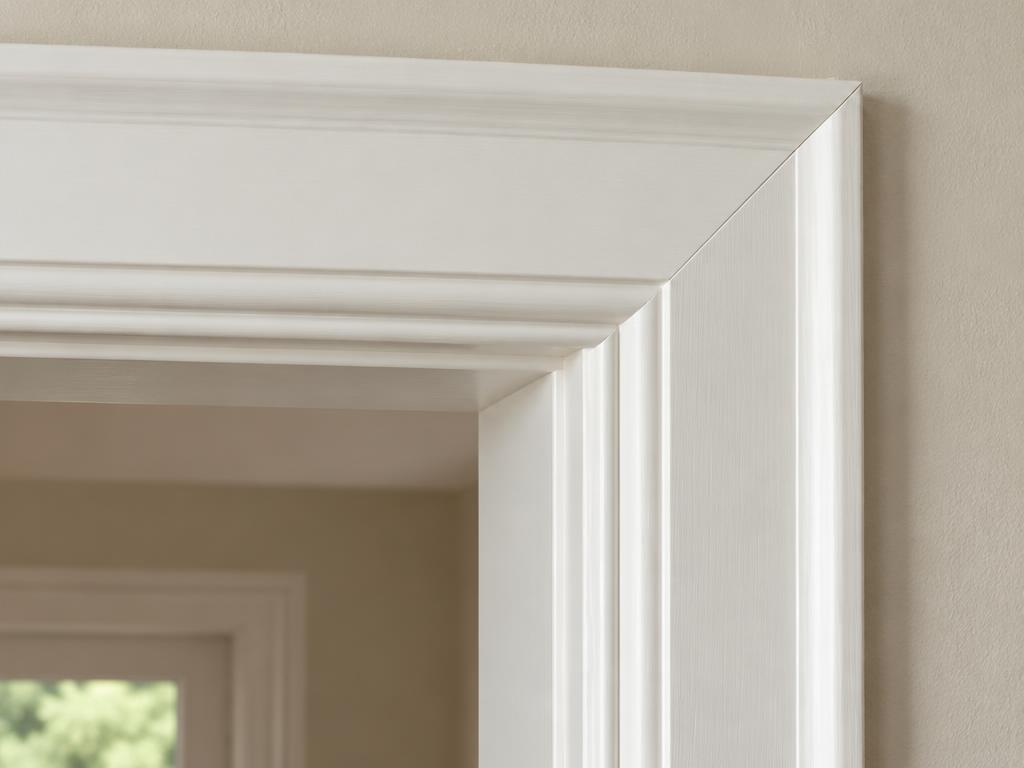
Architectural casing refers to the decorative and protective trim or framing used to surround openings such as doors, windows, and archways. It serves a primary functional purpose by concealing the gaps and joints between the wall surface and the door or window frame, while also protecting these edges from wear and damage. Beyond its utility, casing is a key aesthetic element that defines a building's interior character, providing depth, proportion, and visual structure to openings. Available in a wide variety of materials including wood, marble, metal, and plaster, casing styles range from minimalist flat boards for modern designs to intricate, layered profiles that enhance traditional and classical architectural themes.
Structural & construction notes
Common types of casing include Ranch, Craftsman, Colonial, Provincial, Farmhouse, Victorian, and Minimalist styles, which vary from simple flat boards to ornate layered profiles. Functional variations also include interior and exterior casings, with specialized designs like brick mould for traditional exteriors and mitered or butted joints for different structural aesthetics. Other specific patterns include beaded, fluted, stepped, and radius edge profiles. Common materials for door casing include composite wood (MDF), hardwood, PVC, reclaimed wood, metal, and polyurethane. MDF and softwoods are the most affordable but less durable against moisture and impact, while hardwoods and polyurethane offer high durability and detail at a higher price point. Premium or weather-resistant materials like stainless steel or high-grade PVC increase initial costs but reduce long-term maintenance and replacement expenses.
Frequently Asked Questions
An educational reference. Project-specific design requires professional guidance.