
Baseboard
Definition
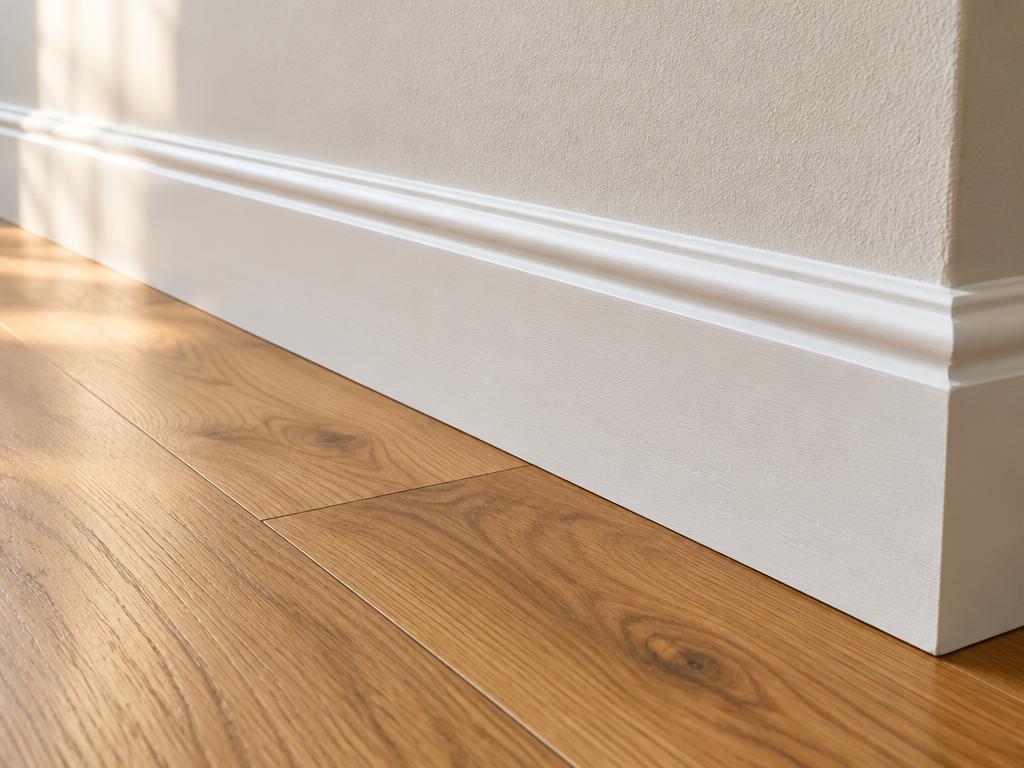
A baseboard is a functional and decorative trim element installed along the bottom of interior walls where they meet the floor. Also known as a skirting board or mopboard, its primary purpose is to cover the joint between the wall surface and the flooring, effectively concealing uneven edges and gaps. Beyond its aesthetic role in providing a finished look and architectural transition, the baseboard acts as a protective barrier, shielding the lower portion of the wall from scuffs, moisture, and damage caused by foot traffic, furniture, or cleaning equipment. Typically made from wood, MDF, or vinyl, baseboards vary in height and profile to complement the specific architectural style and scale of a room.
Structural & construction notes
Common types of baseboards include applied, flush, and reveal or floating styles, which vary by their installation method and visual profile. Decorative profiles range from simple flat and square-edge designs to more ornate options like colonial, sculpted, stepped, beveled, bullnose, and ogee. Material choices further distinguish these types, with popular options including medium-density fiberboard (MDF), finger-jointed pine, hardwoods like oak or maple, and moisture-resistant materials such as PVC or vinyl. Common materials for baseboards include medium-density fiberboard (MDF), pine, hardwoods (like oak or maple), and synthetics such as PVC or vinyl. MDF is the most cost-effective and paintable option but has low durability against moisture, while hardwoods offer the highest durability and quality at a much higher cost. PVC and vinyl provide excellent moisture resistance and durability for high-traffic or damp areas at a mid-range price point, whereas finger-jointed pine offers a balanced, affordable wood alternative.
Frequently Asked Questions
An educational reference. Project-specific design requires professional guidance.