
Facia
Definition
A facia, or fascia board, is a long, thin horizontal band or board that runs along the lower edge of a roof, covering the ends of the roof rafters and providing a clean, finished appearance to the eaves. Functioning as a primary attachment point for gutters, it plays a critical role in moisture management by sealing the gap between the roof and the walls to protect the interior structure from water damage, pests, and debris. Beyond its functional utility in shielding the roof's edge and supporting the drainage system, the facia serves as a prominent decorative trim that helps define the building's profile and architectural style.
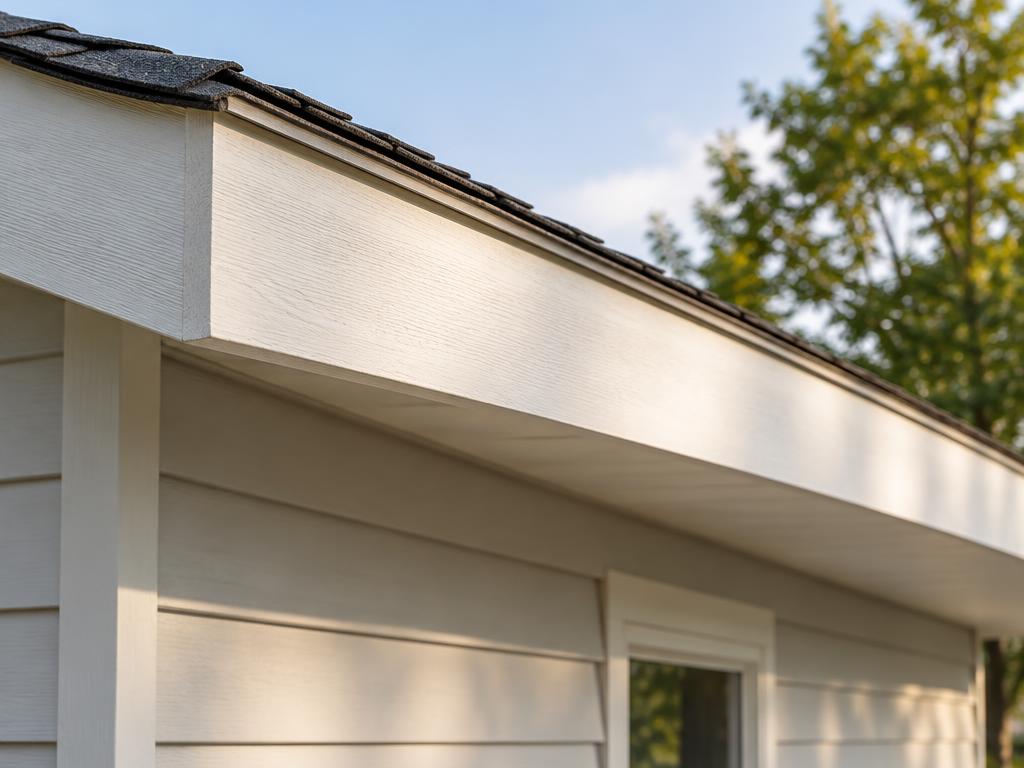
Structural & construction notes
Common materials for facia include wood, vinyl, aluminum, composite, and fiber cement. Wood is cost-effective and traditional but requires regular maintenance to prevent rot, while vinyl and aluminum are durable, low-maintenance options that resist moisture but can be more expensive or less aesthetically versatile. Composite and fiber cement offer the highest durability and rot resistance with the longest lifespans, though they carry higher initial material and installation costs. Common materials include wood, vinyl, aluminum, fiber cement, and composite. Wood is the most affordable at $1 to $3 per linear foot but requires regular maintenance and is prone to rot. Vinyl and PVC are mid-range, low-maintenance options that resist moisture, while aluminum and fiber cement offer the highest durability and longest lifespans but come with higher initial costs, ranging from $8 to $22 per linear foot.
Frequently Asked Questions
An educational reference. Project-specific design requires professional guidance.