
Ornamental molding
Definition
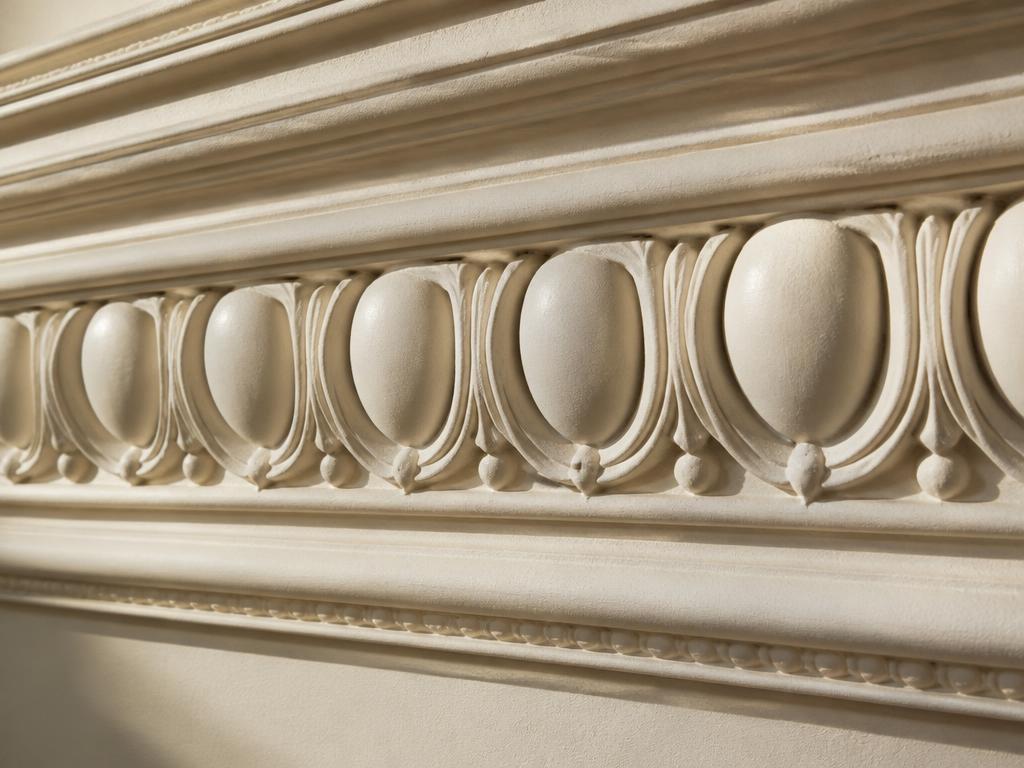
Ornamental molding refers to a continuous decorative strip or contoured element used to outline, frame, or enhance the surfaces and transitions of a building's interior and exterior. Traditionally crafted from wood, plaster, stone, or masonry, these moldings serve both aesthetic and functional purposes by adding visual depth, character, and rhythm while concealing gaps between different materials, such as where a wall meets a ceiling or floor. Common types include crown molding, baseboards, and chair rails, often featuring classical motifs like egg-and-dart, dentils, or acanthus leaves that reflect various architectural styles from Greco-Roman antiquity to modern design.
Structural & construction notes
Common types of ornamental molding include crown molding, baseboards, chair rails, picture rails, and wainscoting. Decorative varieties also encompass specific profiles like dentils, egg-and-dart, bead-and-reel, and cyma curves. Additional forms include architectural features such as cornices, architraves, corbels, and ceiling roses. Common materials for ornamental molding include solid wood, MDF, polyurethane, plaster, PVC, and metal. Solid wood and plaster are high-end, durable options with higher costs, while MDF and polyurethane are more affordable, providing a balance of durability and low maintenance. PVC and foam offer the lowest costs and excellent moisture resistance but may lack the premium finish of natural materials.
Frequently Asked Questions
An educational reference. Project-specific design requires professional guidance.