
Drip molding
Definition
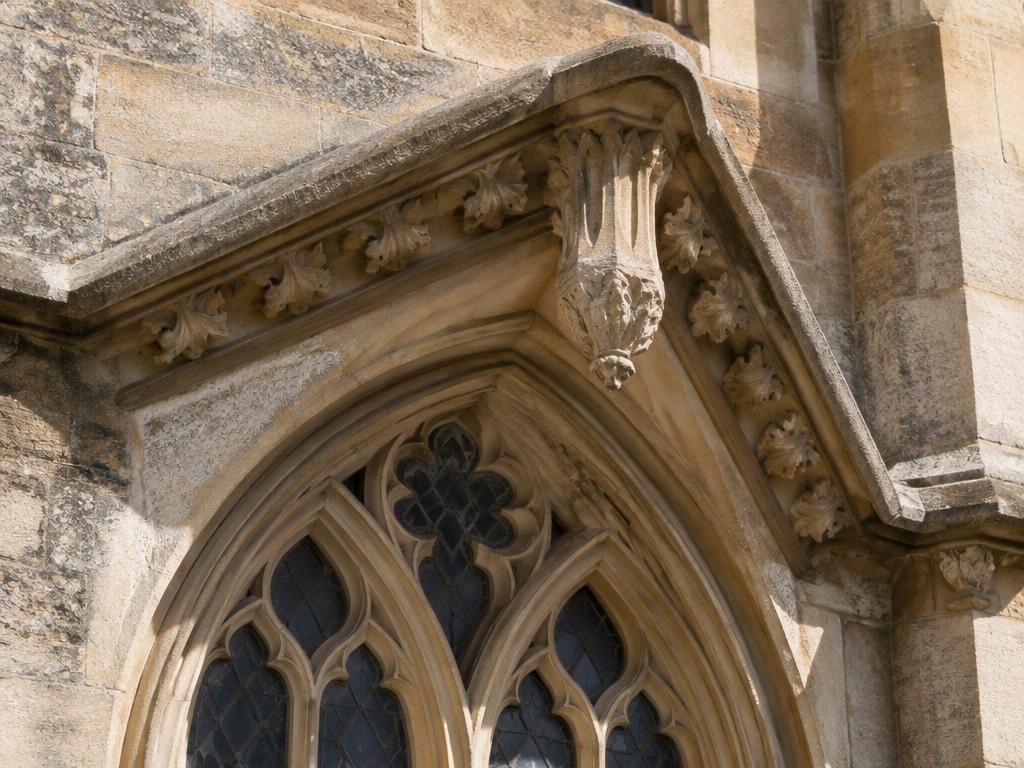
Drip molding, also known as a hood mold or dripstone, is a functional and decorative architectural projection installed over openings such as windows, doors, or arches to direct rainwater away from the face of the wall. Historically originating in the Romanesque period and becoming a prominent feature in Gothic and Tudor architecture, it typically features a downward-sloping upper surface and a hollowed underside to create a drip point that prevents moisture from seeping into the building's structure. While its primary purpose is to protect the opening from water infiltration and staining, drip molding often serves as a significant ornamental element, frequently terminating in decorative bosses known as label stops.
Structural & construction notes
Common drip molding types include L-shaped (Type C) for basic water shedding, T-shaped (Type D) for superior water deflection in heavy rain, and F-shaped (gutter apron) for retrofitting or windier climates. Additional specialized profiles include Z-shaped for steep pitches, C-shaped for low-slope structures, and various metal flashings such as gravel stops, chimney caps, and coping. Common materials for drip molding include aluminum, galvanized steel, stainless steel, and copper. Aluminum is the most affordable and popular choice due to its corrosion resistance, while galvanized steel offers increased durability for residential and commercial buildings. Premium options like stainless steel and copper provide the highest durability and longest lifespans but come with significantly higher material and labor costs.
Frequently Asked Questions
An educational reference. Project-specific design requires professional guidance.